X-ray counterparts
Identifying X-ray counterparts to millisecond pulsars in crowded environments such as M5, M13, and Omega Centauri.
See research themesI study neutron stars and pulsars through X-ray observations, with a particular focus on millisecond pulsars in globular clusters and other compact high-energy systems.
Much of my work links individual X-ray counterparts to broader questions about compact-object populations, dense stellar environments, and how those systems are shaped over time.
Identifying X-ray counterparts to millisecond pulsars in crowded environments such as M5, M13, and Omega Centauri.
See research themesUsing globular clusters as laboratories for how stellar interactions, binary evolution, and compact remnants shape pulsar populations.
Read moreFollowing questions beyond classic MSP studies, including the Galactic Center excess, magnetars, and long-period transients.
Explore related workI combine detailed observational analysis with broader questions about how compact objects form, evolve, and cluster.
Globular clusters are ideal places to study MSP populations because their high stellar densities efficiently produce the binaries that spin neutron stars up to millisecond periods.
Much of my work focuses on building a clearer X-ray picture of these systems and relating them back to their environments.
I am interested in how compact-object studies in one environment inform another, especially when unresolved MSP populations enter the picture.
That thread naturally extends to the Galactic Center excess, magnetars, and long-period transients.
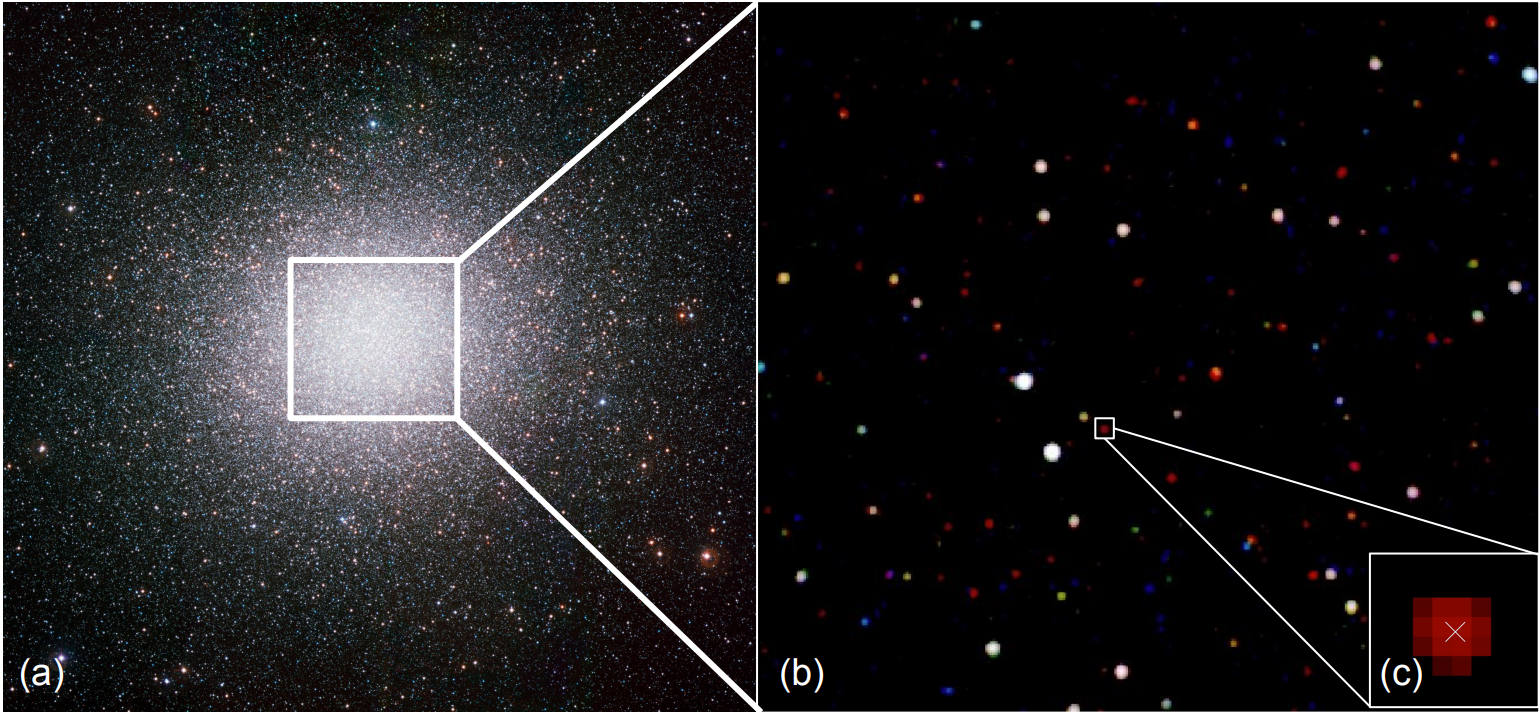
A recurring thread in my work is how X-ray observations can isolate faint compact systems in crowded cluster fields.
Optical and Chandra views of Omega Centauri show the kind of environment where those questions become concrete.
A recent revisit of one of the field's best-known neutron-star cooling benchmarks using Chandra HRC-S observations.
An in-depth look at MSP X-ray properties in one of the most intriguing globular-cluster environments.
A population-level view of X-ray MSPs across globular clusters, connecting individual detections to the bigger picture.
A multi-instrument study that helped lay part of the observational foundation for my later MSP work.
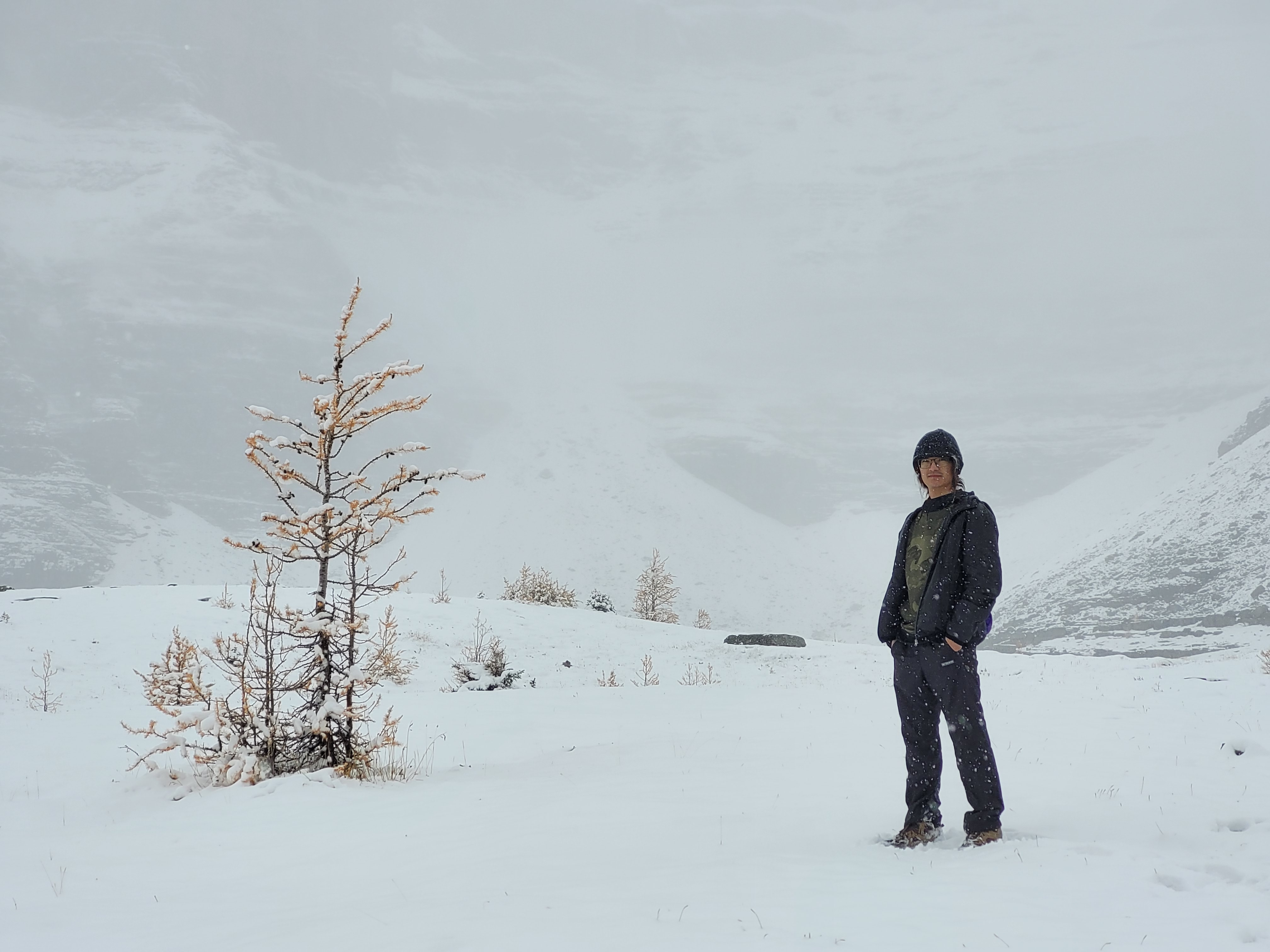
When I am away from telescope data and source catalogs, I usually end up outside. Hiking, camping, snowboarding, and long drives toward the Rockies have become an important counterweight to academic life.
The personal side of the site is still here, just with a calmer frame around it.
Visit the gallery and map